


Gabion Retaining Wall for Erosion Control
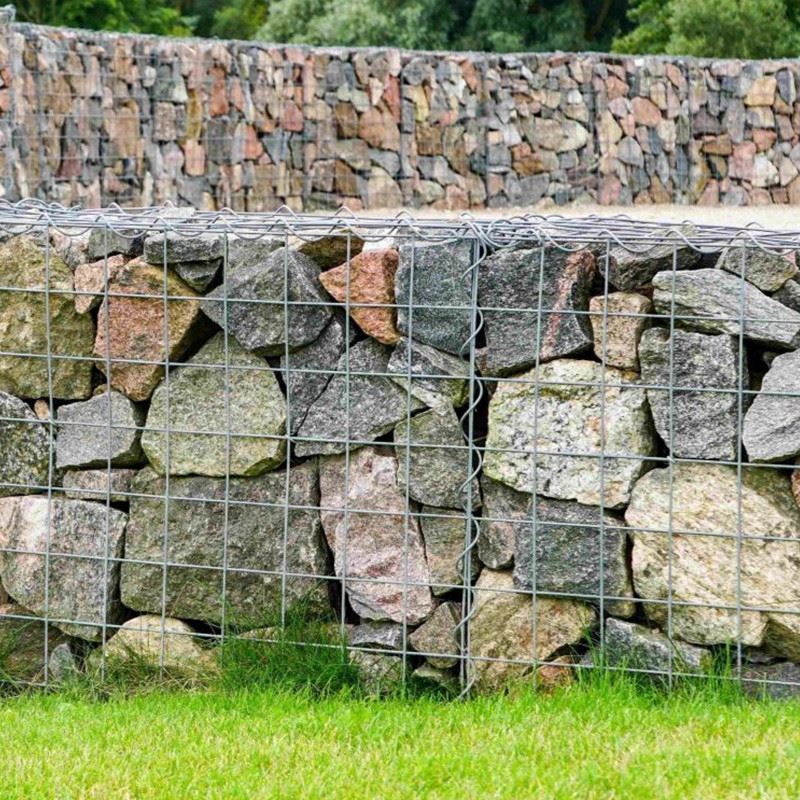
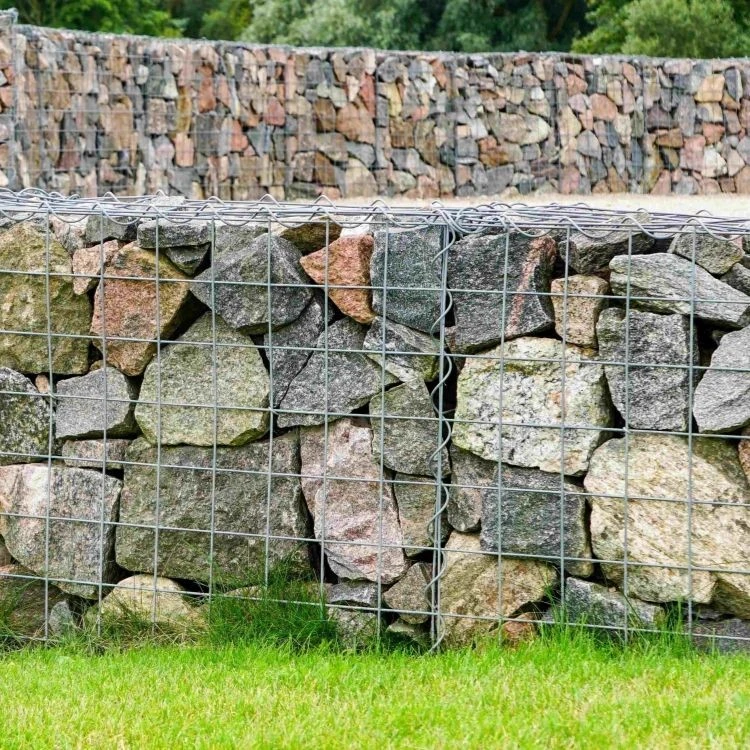
Erosion destroys slopes in three predictable ways: rainfall runoff carves rills down the face, water collects at the base and undercuts the toe, and every storm moves a little more soil downhill. A gabion retaining wall interrupts all three at once. The toe course stops the undercutting. The rough stone face kills the runoff's speed. And because the whole structure drains freely, water pressure never builds up behind it - which is what blows out solid walls.
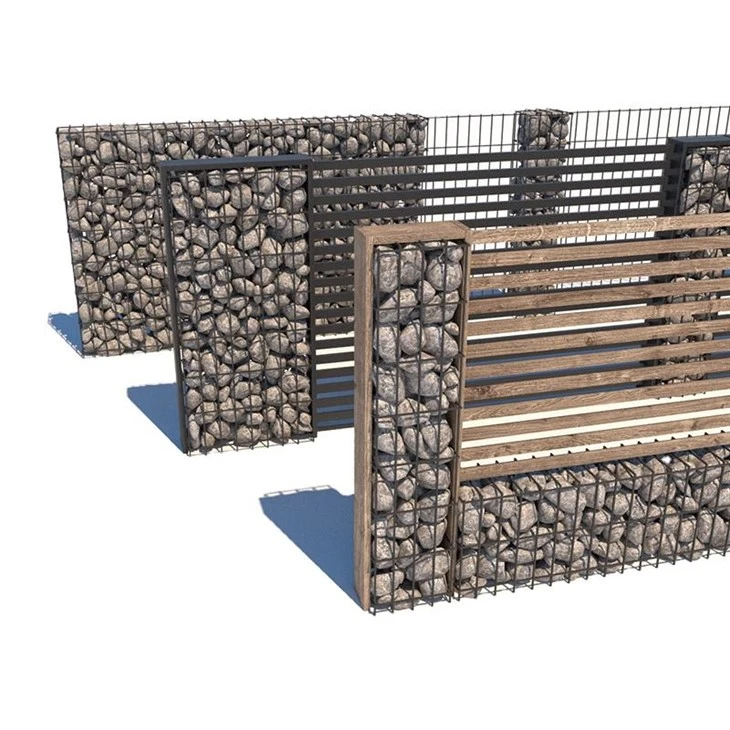
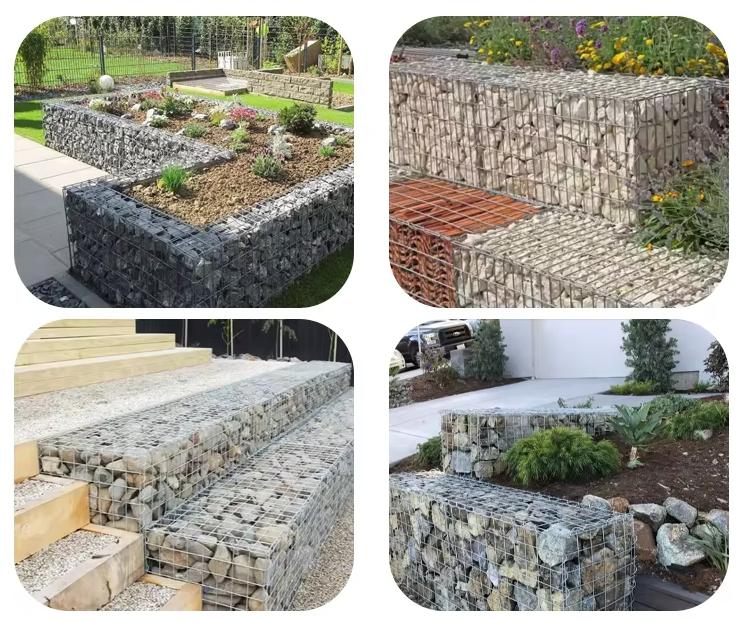
The welded version of this wall brings two things erosion sites actually care about: exact dimensions, so every course lands where the drawing says, and a clean flat face - relevant wherever the wall shows, on road embankments, around building pads, along urban channels.

|
|
Coating Selection by Water Exposure
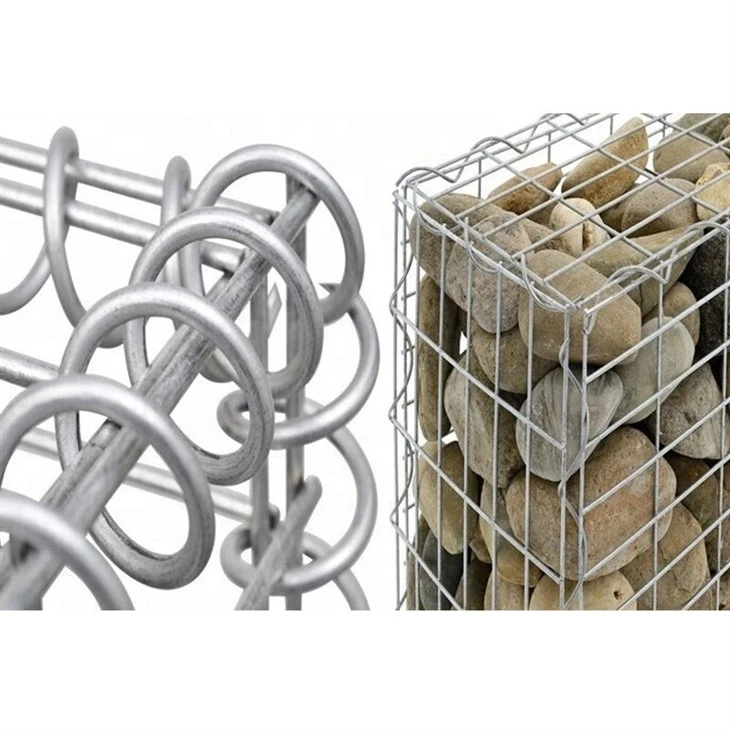
Erosion control means water, and water decides the coating. This is where Galfan earns its price: a zinc-aluminium-mischmetal alloy that protects steel significantly longer than plain galvanizing, especially where the wire sits wet. Where units are exposed to water courses or saline environments, we recommend polymer-coated wire over the metal coating - the design life difference is not marginal.
Product Details

|
Site condition |
Recommended coating |
Wire / mesh |
|
Dry inland slopes, road cuttings |
Hot-dip galvanized |
3.5–5.0mm, 50×50–100×100mm |
|
Wet sites, freshwater contact |
Galfan (zinc-aluminium alloy) |
3.5–5.0mm, 50×100 / 75×75mm |
|
Saline, splash or brackish zones |
Polymer (PVC) over galvanized or Galfan |
4.0–5.0mm, 50×100mm |
Standard wall units run 0.3m to 1.0m high in 0.5m and 1.0m increments; nonwoven geotextile goes behind every course so the soil stays put while the water passes through.
|
Special specifications can be customized |
Product Application
Frequently Asked Questions
Is my problem erosion or slope failure?
Quick test: if soil is washing off the surface in rains but the slope keeps its overall shape, that is erosion - this wall handles it. If the slope itself is slipping as a mass, that is a stability problem and needs reinforcement design, not just a wall. Both look muddy after rain; only one is dangerous.
Welded or woven gabions for erosion control?
Where moving water attacks - riverbanks, scour zones, high-velocity channels - woven double-twist mesh flexes with the abuse and is the right call. Where the enemy is rainfall runoff on stable ground and the wall will be seen, welded boxes give the straight face and exact dimensions. We make both; send a site photo if unsure.
Does the wall need drainage design?
The wall itself is fully permeable - that is half its value. What it does need: geotextile behind every course, and ideally a cutoff ditch above the crest to keep sheet runoff from pouring over the face.
Why Galfan instead of standard galvanizing on wet sites?
The zinc-aluminium alloy holds up far longer where the wire stays wet or sits in aggressive soil - the corrosion life gap over plain zinc in immersion conditions is well documented. On dry slopes standard hot-dip galvanized wire does the job for less money.
Can you quote for a full site?
Yes. Send the wall length, exposed height and how wet the site runs - a complete quotation with coating matched to the exposure comes back within 24 hours.
Hot Tags: gabion retain wall for erosion control, China gabion retain wall for erosion control manufacturers, suppliers, factory, Gabion Welded Wire Mesh, Stepped Gabion Retaining Wall, welded gabion mesh, gabion retain wall, Reinforced Gabion Retaining Wall, Gabion Retain Wall for Erosion Control


